
New
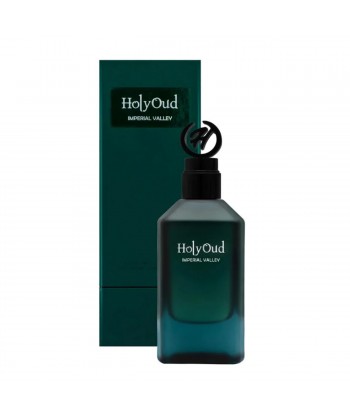
Brand: Holy Oud
Κωδικός: 6291109912613
Το
Holy Oud Imperial Valley Eau De Parfum είναι ένα τολμηρό, ξυλώδες άρωμα με ούτι
και καπνιστό, δερμάτινο τόνο. Αυτό το unisex άρωμα είναι ιδανικό για όσους εκτιμούν
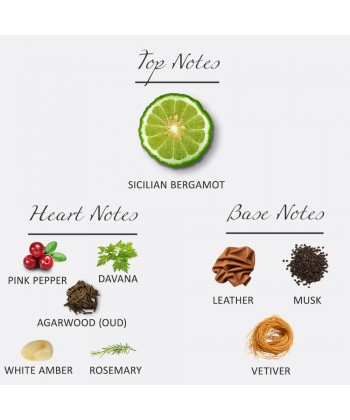
ένα έντονο άρωμα. Νότες
αρώματος:Νότες
κορυφής
- Περγαμόντο Σικελίας Νότες
καρδιάς
- ροζ πιπέρι, νταβάνα, ξυλόξυλο (ούντ), λε..
65,00€
Χωρίς ΦΠΑ:52,42€
New
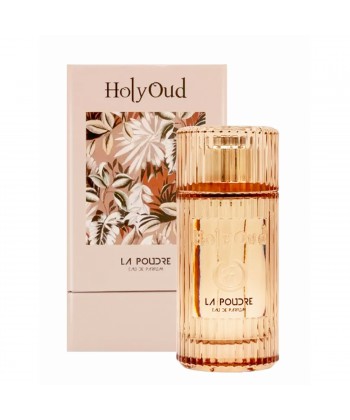
Brand: Holy Oud
Κωδικός: 6291109912330
ΤοΤο Holy Oud La
Poudre είναι ένα unisex Eau de Parfum που κυκλοφόρησε το 2021.
Πρόκειται για ένα λουλουδάτο, ξυλώδες και πουδρένιο άρωμα, κατάλληλο για
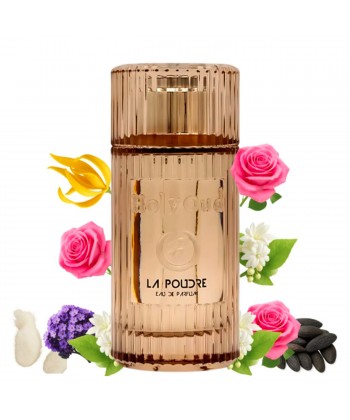
άνδρες και γυναίκες. Νότες του αρώματοςΣύμφωνα με το
Fragrantica.gr, οι οσφρητικές νότες του αρώματος περιλαμβάνουν:&n..
65,00€
Χωρίς ΦΠΑ:52,42€
New
Brand: HS SERGIO
Κωδικός: 6291109913504
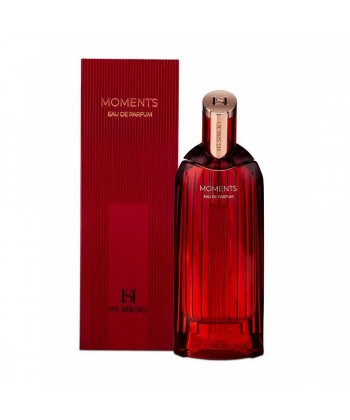
Τέλος,
οι στιγμές καθορίζουν το στυλ σας με το ρομαντικό και σαγηνευτικό λουλουδάτο
άρωμα chypre. Τα φανταστικά συστατικά καθιστούν αυτό το άρωμα ιδανικό για ένα
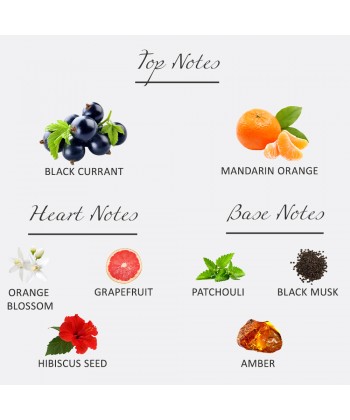
ραντεβού ή μια πρόταση γάμου.Οι
νότες κορυφής είναι μαύρη σταφίδα και μανταρίνι. Οι μεσαίες νότες είναι
πορτοκάλι, ιβίσκος και γκ..
40,00€
Χωρίς ΦΠΑ:32,26€
New
Brand: HS SERGIO
Κωδικός: 6291109914327
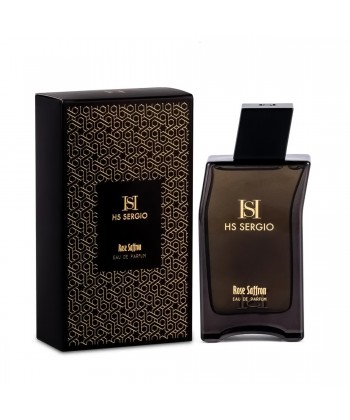
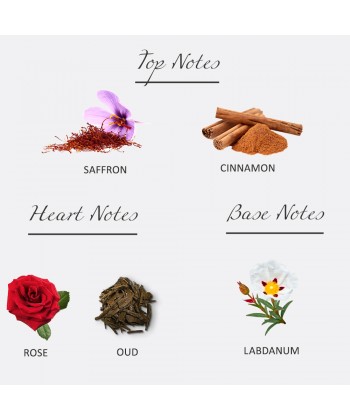
Το HS Sergio Rose Saffron είναι ένα σαγηνευτικό μείγμα
από πλούσιο σαφράν, ζεστό oud και ντελικάτες λουλουδένιες νότες. Αυτό το unisex
άρωμα έχει σχεδιαστεί για όσους εκτιμούν μια εξαιρετική ισορροπία ανατολίτικων
και ξυλωδών αρωμάτων, προσφέροντας μια εκλεπτυσμένη και μακράς διαρκείας
αρωματική..
40,00€
Χωρίς ΦΠΑ:32,26€
New
Brand: John Loewe
Κωδικός: 6294014170802
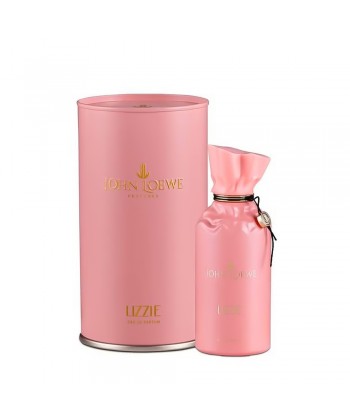
Ένας
άλλος εκπληκτικός συνδυασμός που πρέπει να έχετε στην γκαρνταρόμπα σας είναι το
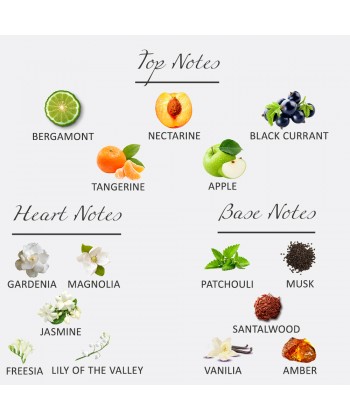
Lizzie.Ένα
από τα πιο ελκυστικά αρώματα της σειράς, το Lizzie
έχει μια λουλουδάτη-φρουτώδη σύντηξη.Οι
νότες κορυφής περιέχουν ενυδατικά φρουτώδη στοιχεία.
Αυτές οι νότες ακολουθούνται από λουλουδένιες ..
65,00€
Χωρίς ΦΠΑ:52,42€
New
Brand: MARKS DES VINCE
Κωδικός: 0799174221440
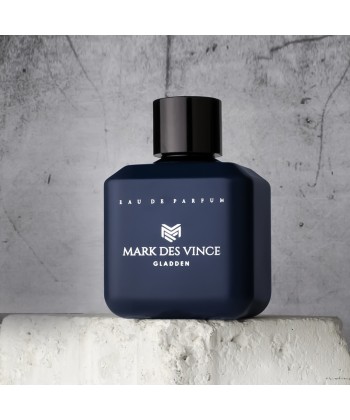
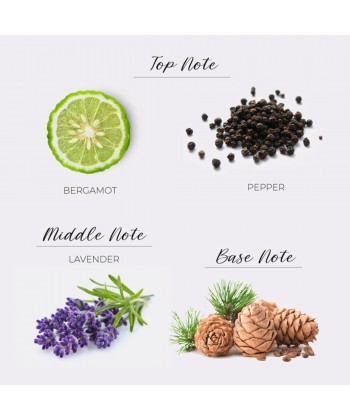
Ας θυμηθούμε τις μέρες που νιώθατε σαν να ήσασταν
πανευτυχείς. Μια μέρα που την περάσατε ευτυχισμένα, μια στιγμή που γελάσατε με
την καρδιά σας. Μια στιγμή που χαμογελάσατε, μια στιγμή που ήσασταν στα
καλύτερά σας. Μια μέρα που λάβατε αυτό για το οποίο δουλέψατε. Το
"Gladden" του Mark Des Vince ..
70,00€
Χωρίς ΦΠΑ:56,45€
New
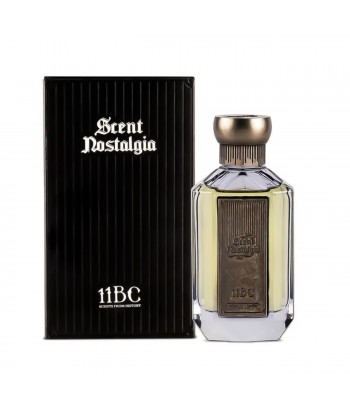
Brand: Scent Nostalgia
Κωδικός: 6291109913306
Το
άρωμα Scent Nostalgia 11BC Edp 100Ml από την Scent Nostalgia είναι ένα πολυτελές άρωμα σχεδιασμένο για
όσους εκτιμούν την κομψότητα. Φτιαγμένο με συστατικά υψηλής ποιότητας, αυτό το
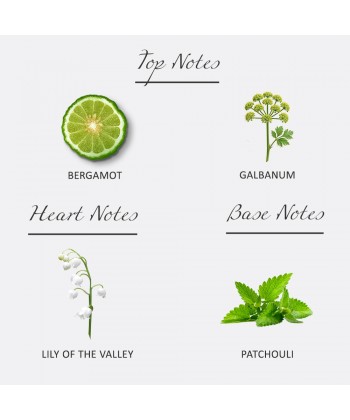
άρωμα είναι η τέλεια επιλογή για κάθε περίσταση. Νότες
κορυφής:-Περγαμόντο και Γάλβανο. Μεσαία
νότα:-Κρί..
60,00€
Χωρίς ΦΠΑ:48,39€
Εμφάνιση 1 έως 7 από 7 (1 Σελ.)